

Why Gujarat Needed a New Policy for Townships
The old rules for townships were implemented in 2009, but over time, they failed to create large, well-organized urban communities. Developers had to deal with a lot of problems, like
Key Features of the Draft Township Policy
Implication for Residents and Developers
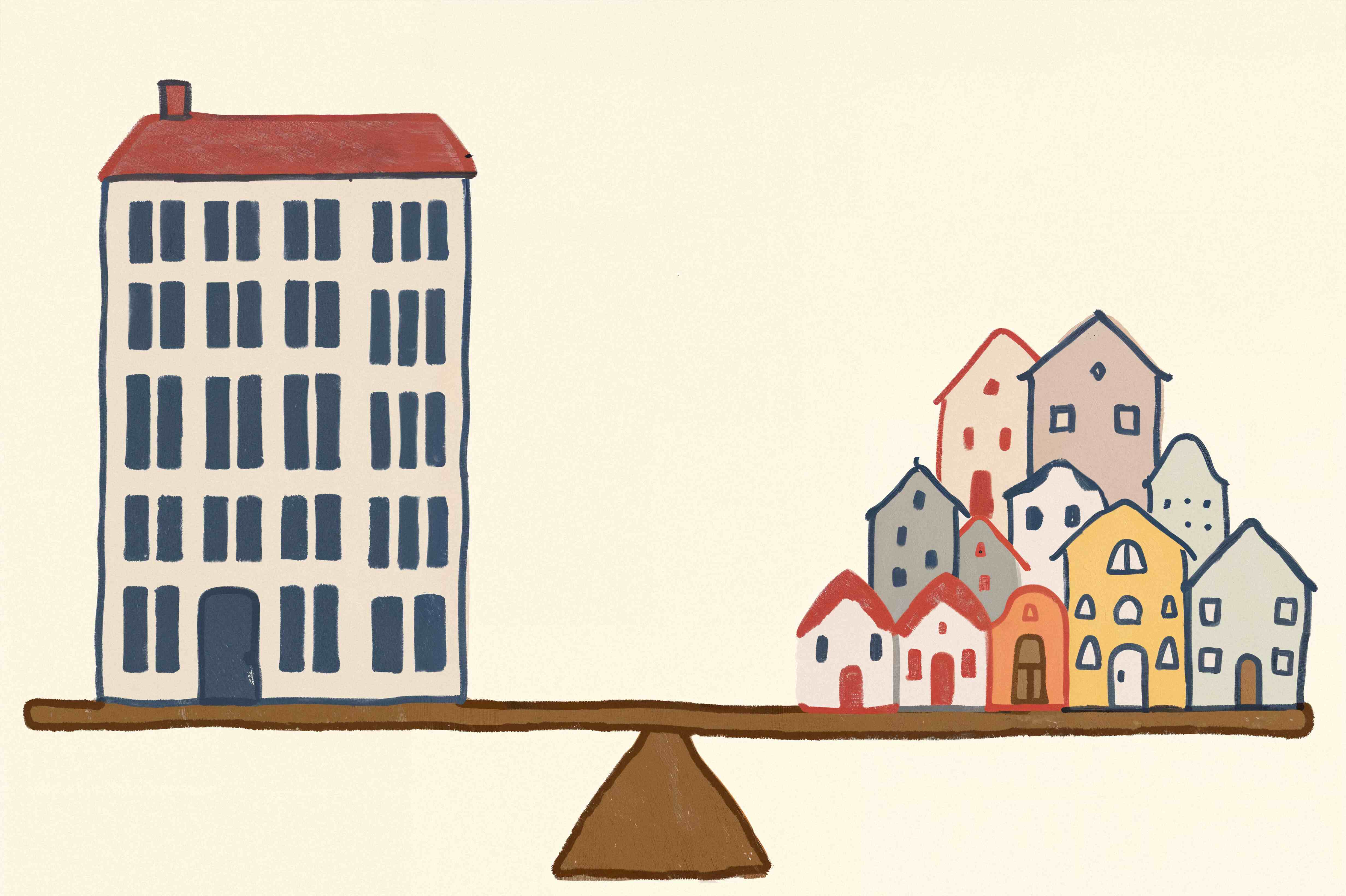
For residents, this promises organized, affordable housing with improved infrastructure. Developers are expected to benefit from clearer guidelines and incentives, encouraging the creation of integrated townships that combine residential, commercial, and recreational spaces.
A Step Towards Sustainable Urban Growth
This policy shift reflects Gujarat's commitment to sustainable urban development, aiming to create sustainable, eco-friendly communities that cater to the growing urban population.
Conclusion
After 16 years, Gujarat's new township policy marks a major shift in urban planning and real estate development. By offering developer incentives, facilities land assembly, and ensuring alignment with city plans, the policy promises an organized, sustainable township that benefits both residents and investors.
If implemented effectively, this policy could transform Gujarat's urban landscape, providing modern, affordable, and well-connected communities across the state. Developers, investors, and homebuyers should closely monitor the policy and participate in consultation to ensure it translates into real-world success.
Disclaimer: Information shared is for general awareness only and may vary based on project details and market conditions. Readers are advised to verify details independently before making any property-related decision.

28 Aug 2025

29 Aug 2025

25 Aug 2025
26 Aug 2025

04 Aug 2025
 Login
Login
 Project Insights
 Contact Us